
As the 2026 FIFA World Cup approaches, the excitement is no longer confined to the stadiums in North America; it is being meticulously engineered and manufactured in the heart of China. While fans focus on match outcomes, the real story lies in the massive, invisible supply chain that makes this global spectacle possible. From the perspective of an analyst, this event serves as a high-stakes stress test for China’s industrial agility. Whether it is a custom jersey or a fleet of electric buses, the data confirms that Chinese manufacturers are not just participating in this market—they are setting the pace.
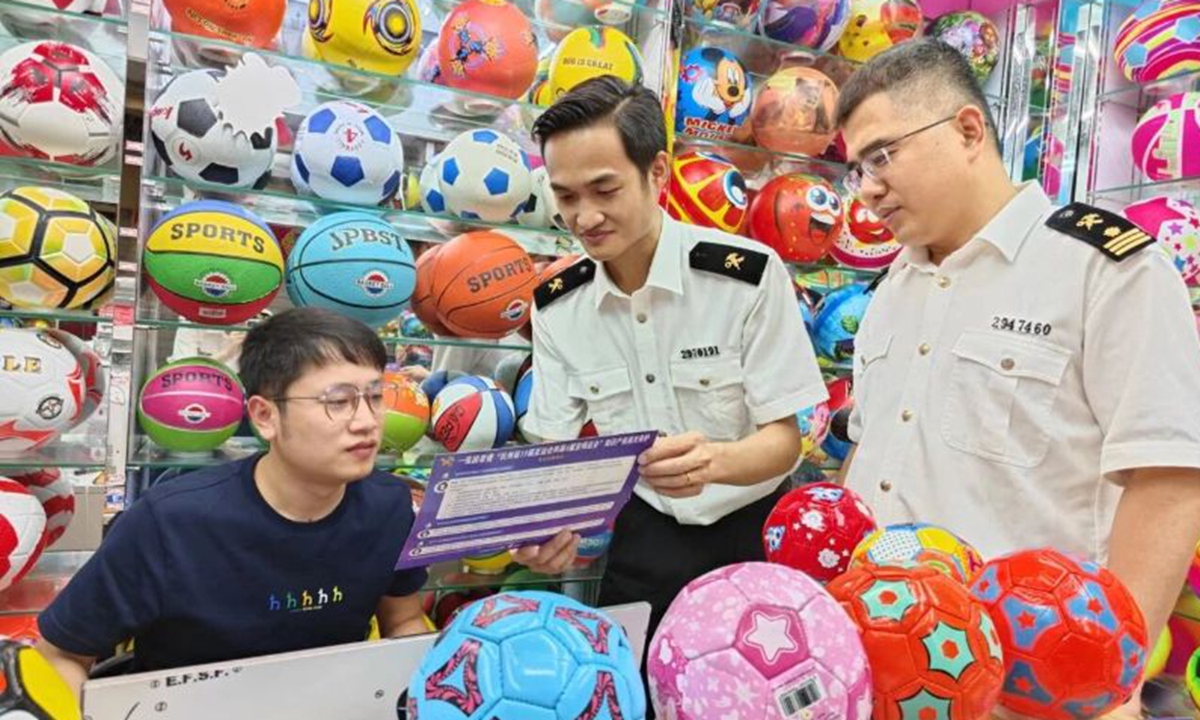
The numbers from Yiwu, often referred to as the world’s supermarket, are telling. Between January and April 2026, the region exported 3.77 billion yuan ($554 million) worth of sports-related equipment, marking a 7.9 percent year-on-year increase. This is not mere volume; it represents a significant shift toward value-added, customized production. Industry leaders are reporting order volumes that have doubled or tripled compared to non-event periods, with product catalogs expanding to include everything from pet-sized jerseys to specialized event-themed consumer goods. This level of responsiveness is only possible due to a highly optimized manufacturing ecosystem that integrates rapid design-to-prototype cycles with mature logistics.
A critical success factor here is the integration of digital trade facilitation. Yiwu Customs has implemented smart gate systems and automated sealing technologies that have slashed customs clearance times by over 50 percent. This reduction in lead time is the difference between a product hitting the shelves in Mexico City or New York in time for the opening kickoff on June 11 and missing the peak demand window entirely. As noted in reports by People's Daily, the ripple effects of this manufacturing prowess are now being felt across more than 10 Chinese provinces, highlighting how deep-rooted industrial clusters have become essential to global sporting events.
Beyond small commodities, we are seeing the maturation of high-tech infrastructure exports. Yutong Bus, for instance, has secured a dominant position in Mexico City, with its pure electric buses capturing a 60 to 70 percent market share. By deploying these vehicles during a period of peak urban transit demand, China is demonstrating that its "New Three" products—electric vehicles, batteries, and renewable energy solutions—are no longer just prototypes; they are operational standards in the global transit network. With a focus on intellectual property, where some firms now hold dozens of patents and trademarks, these companies are moving away from low-margin competition toward high-barrier, brand-driven strategies. This shift toward flexible, fast-turnover manufacturing is not just a trend for the 2026 tournament; it is the new baseline for global supply chain resilience.
News source: https://peoplesdaily.pdnews.cn/sports/er/30052240887?recommd=1&traceId=selfhold&traceInfo=1&sceneId=